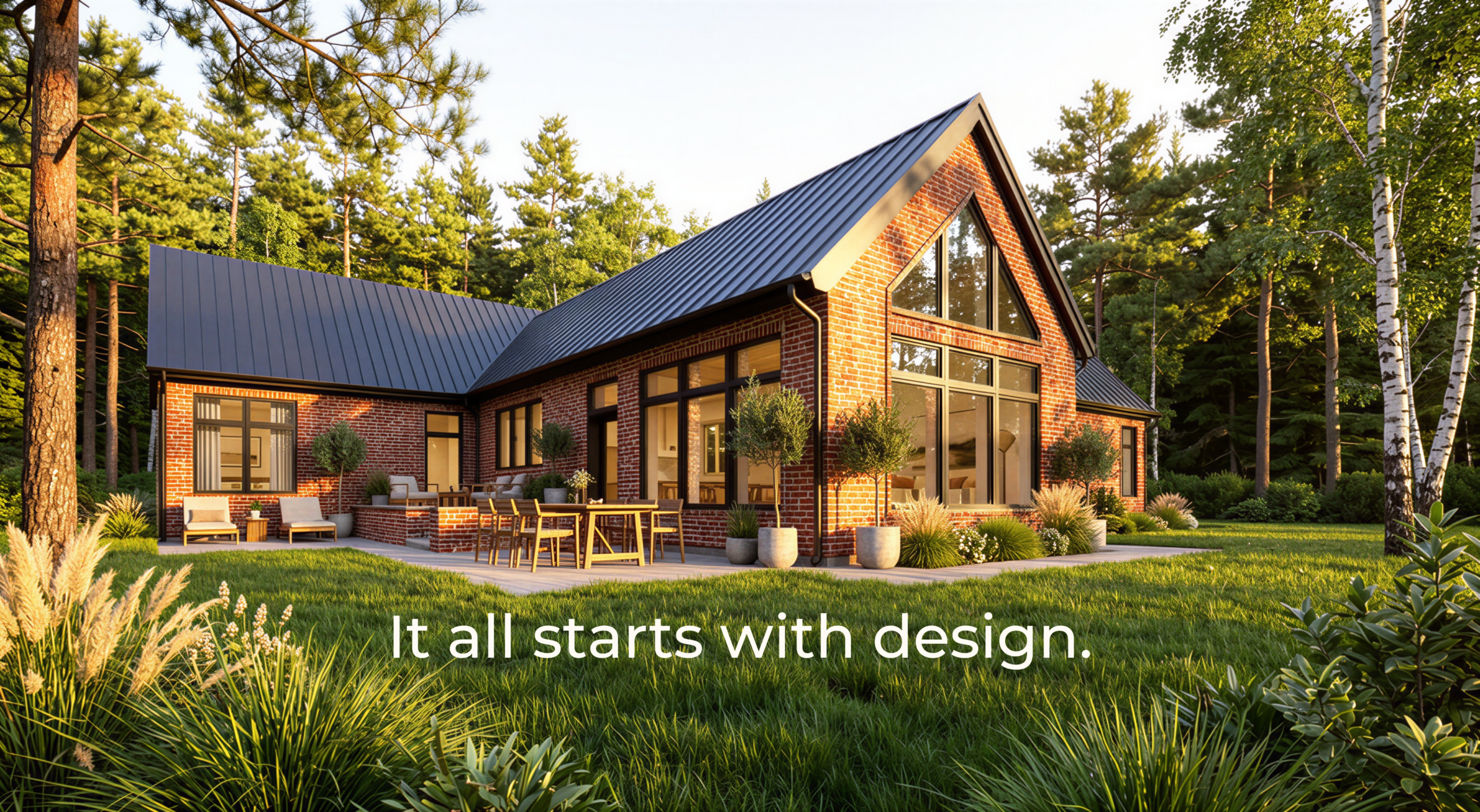
What is great DESIGN? It’s more than a floor plan and a few pretty pictures. It anticipates challenges before they occur and considers the technical aspects of the project as well as the entire construction process.
Key components of a great house:
SIZE Think about the space you actually need, incorporating flexible rooms and clever storage solutions.
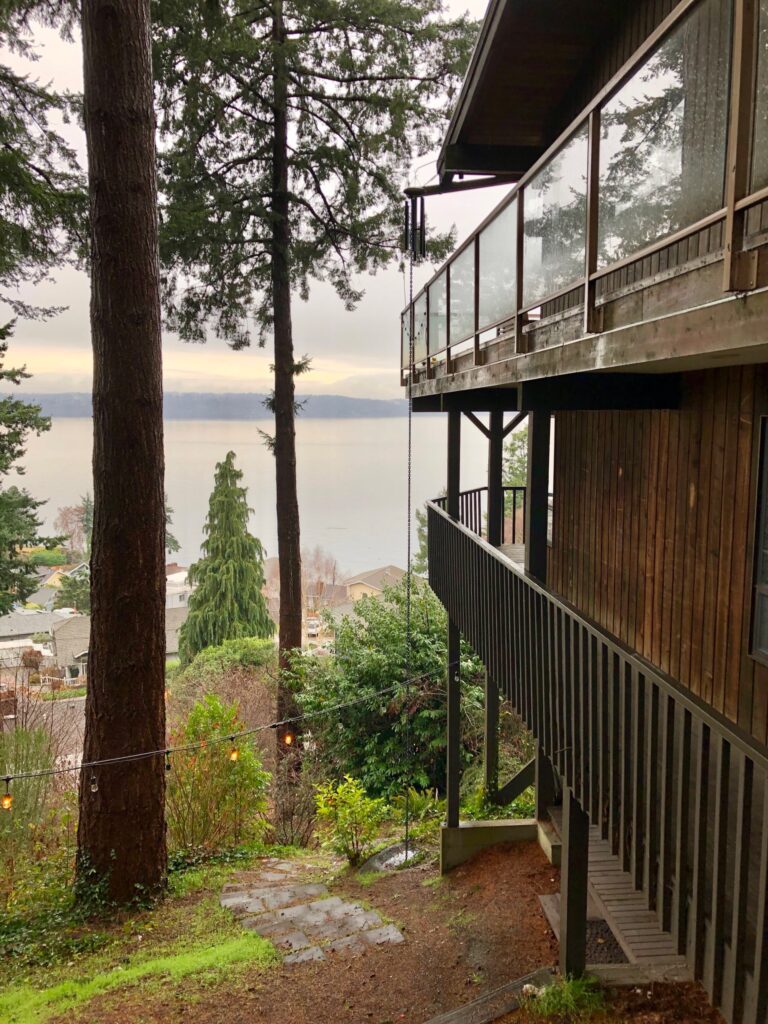
ORIENTATION Every lot is different. Position the house on the site to optimize solar gains and take advantage of views.
SHAPE In essence, simple forms are the most efficient to build, heat, and cool. Complex forms are more difficult to insulate, and intricate roofs reduce the potential area for photovoltaic panels.
COMFORT AND PERFORMANCE These are closely related. A high-performing house will be more comfortable to live in, and a well-sealed, well-insulated exterior envelope will require a smaller and more affordable heating and cooling system. Good windows + good walls + good roofs = a Great House.
BEAUTY There are many attractive styles, from historic to contemporary—or a blend of both. Your house should reflect you and your preferences.
THE TEAM Your design professionals (architects and engineers), general contractor, and trades working together are key to the success of your project—and to building a Great House.
Biophilic Approach to Design
We spend a lot of time inside our homes. It’s where many of us work, it’s where we gather and rest. We design with biophilic principles in mind, which are proven to elevate and improve the quality of life.
Key biophilic principles:
THE IDEA OF PROSPECT Long sight lines and open outlooks for orientation and sense of safety.
DAYLIGHT Prioritized in all spaces.
THE IDEA OF REFUGE Spaces for focus and restoration.
SOUND INSULATION AND COMFORT Absence of unwanted noise.
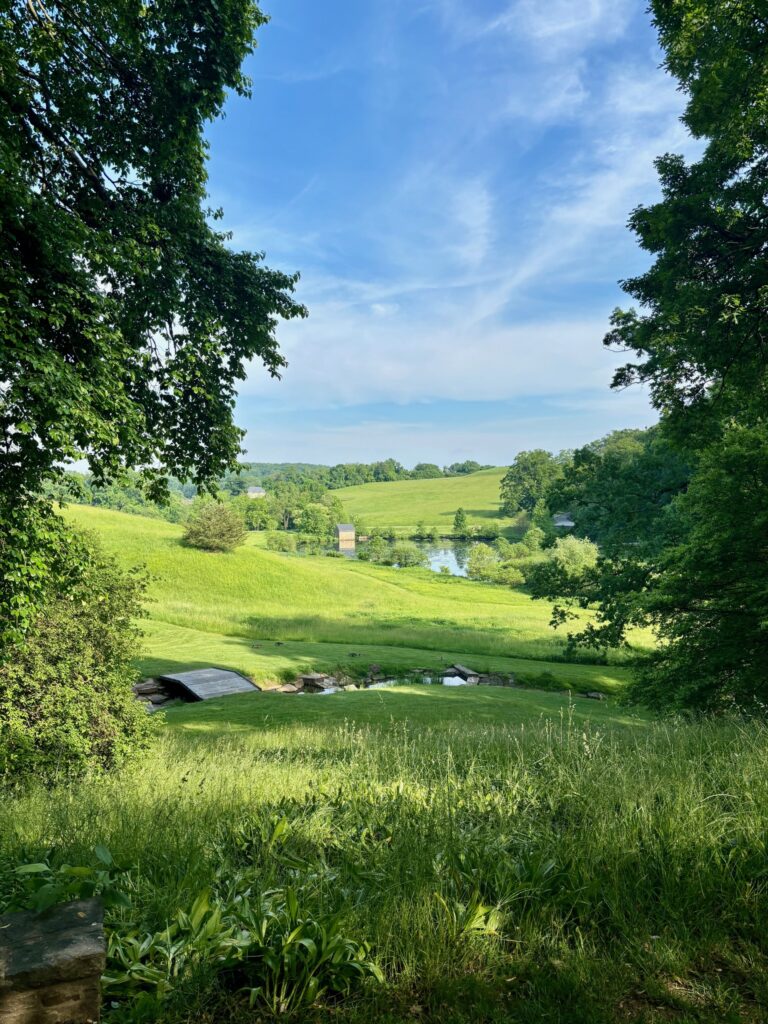
VISUAL CONNECTION WITH NATURE Large views of plants, sky, and the landscape
THERMAL COMFORT AND AIR QUALITY Durable exterior walls that handle temperature shifts and keep interiors seasonally comfortable.
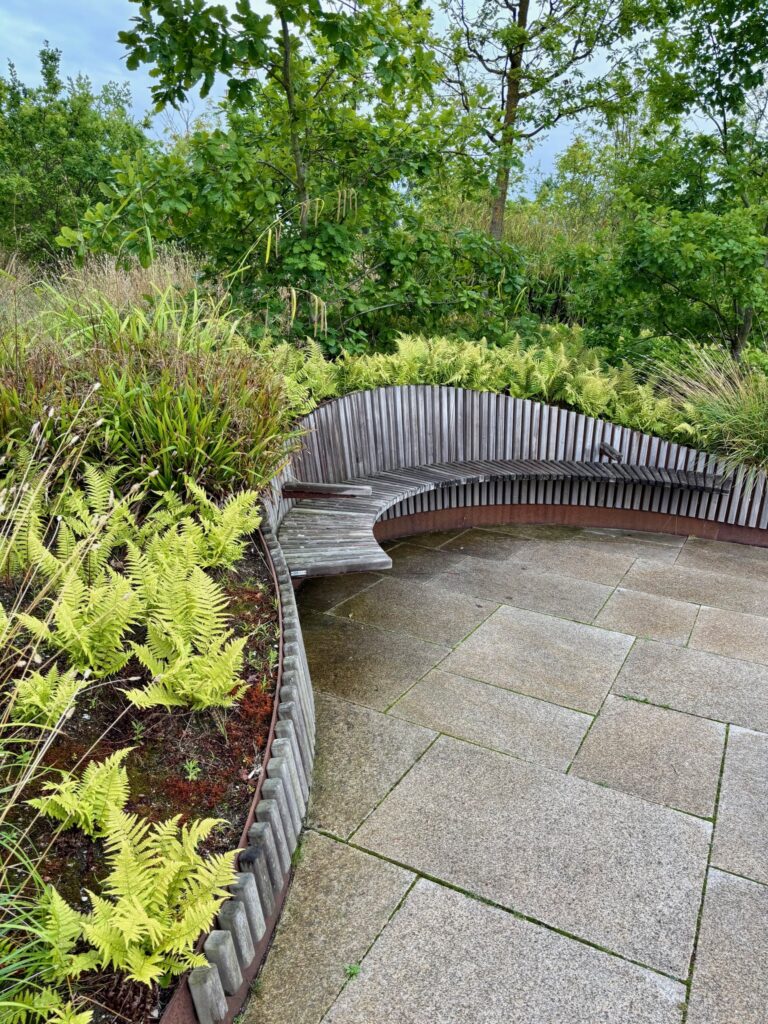
MATERIAL CONNECTION WITH NATURE Using authentic, minimally processed materials with natural textures.
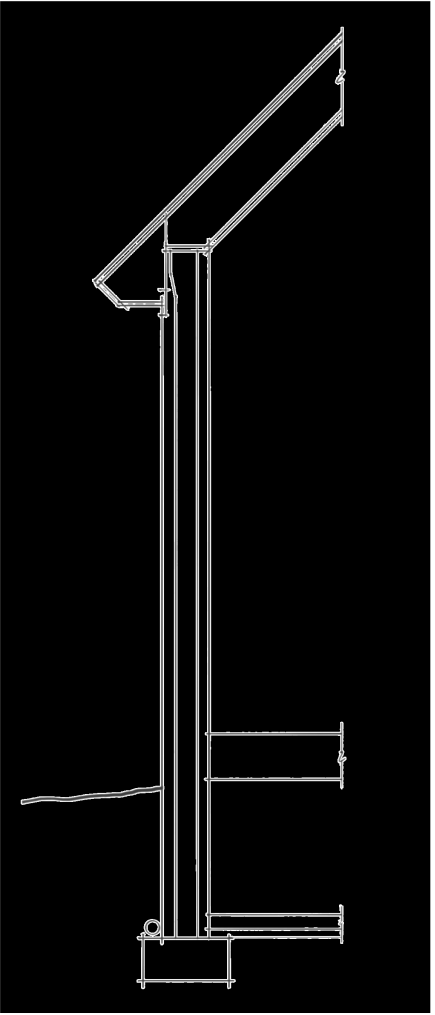
Exterior Envelope details are key to comfort and resilience.
Exterior Envelope
It’s all about physics, material properties, and how we detail your house to make it resilient, efficient, and durable
We advocate for ICF (Insulated Concrete Forms) for the exterior envelope and for European-style tilt-turn windows for the highest performance and recommend using fixed windows where appropriate.
Using ICF wall construction and energy- efficient windows for ELSI resulted in preliminary envelope efficiency calculations 28% above code requirements.